
AI Video Maker - Turn Text & Images into Videos in Minutes
Bring your ideas into motion.
Shape your story with images, references, and a little imagination.
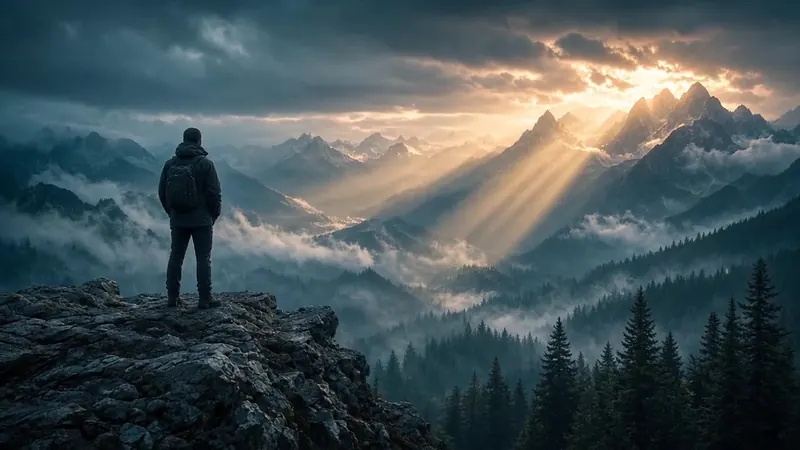
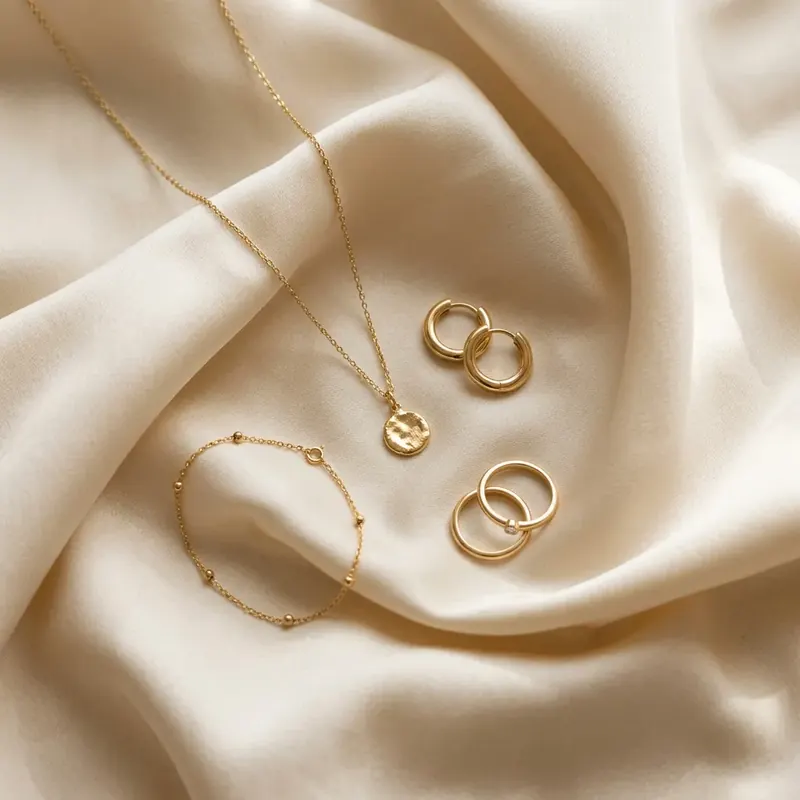
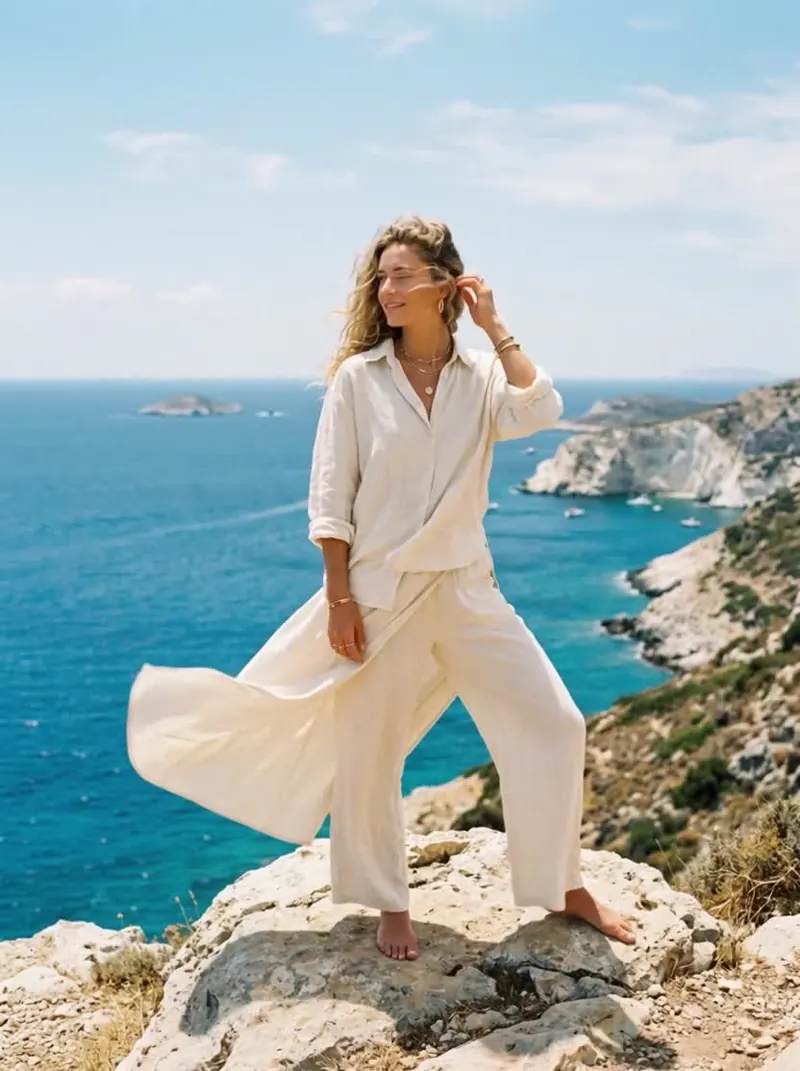
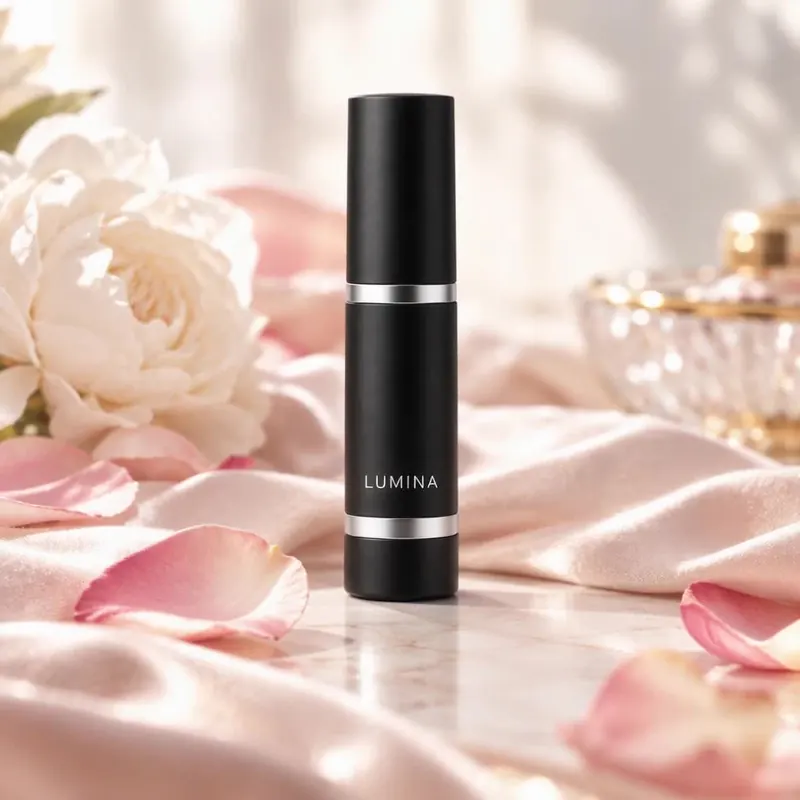
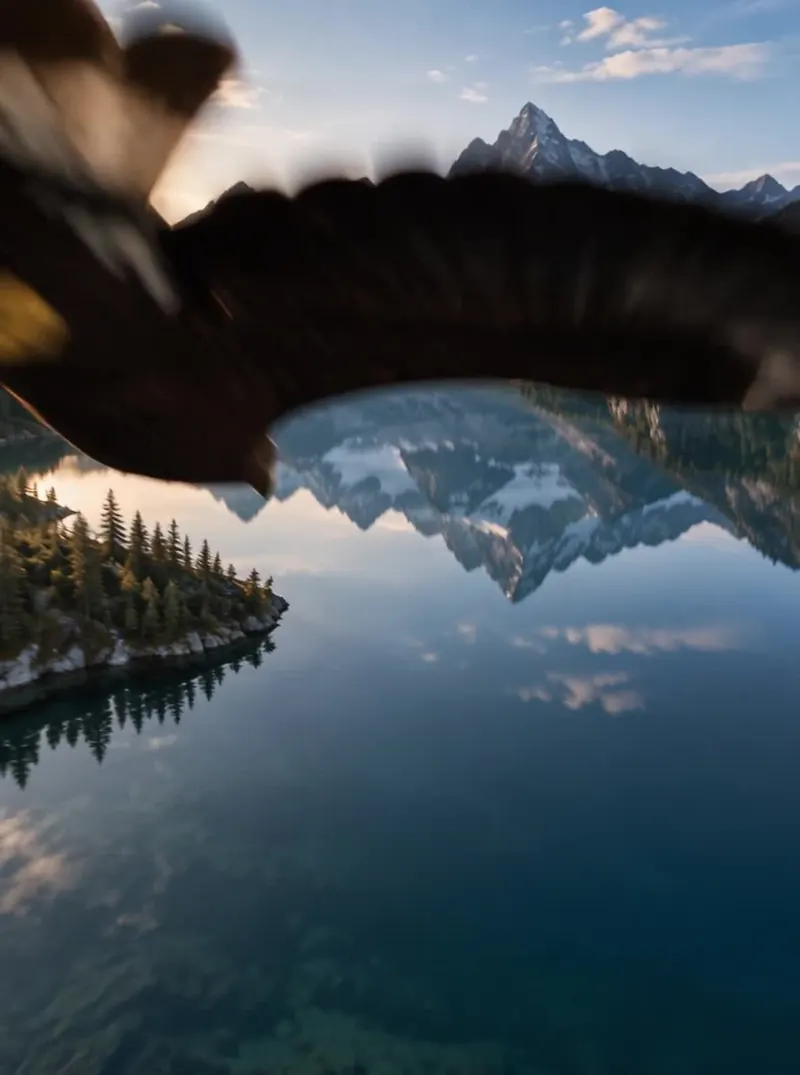
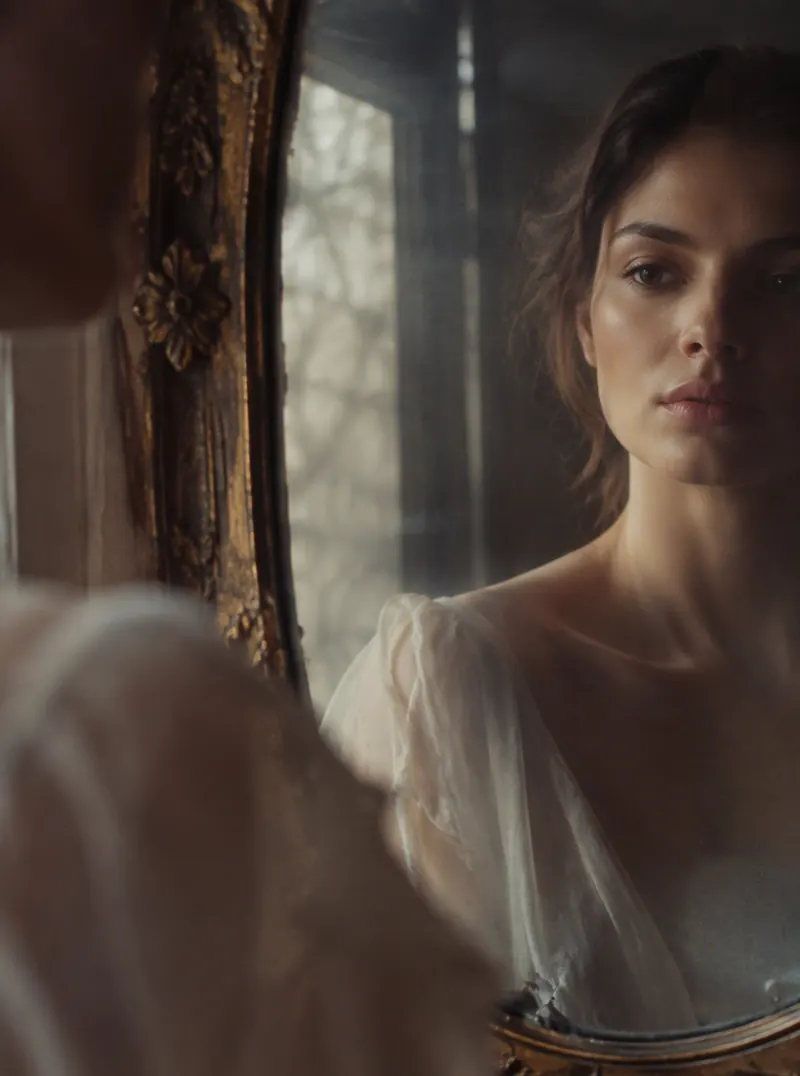
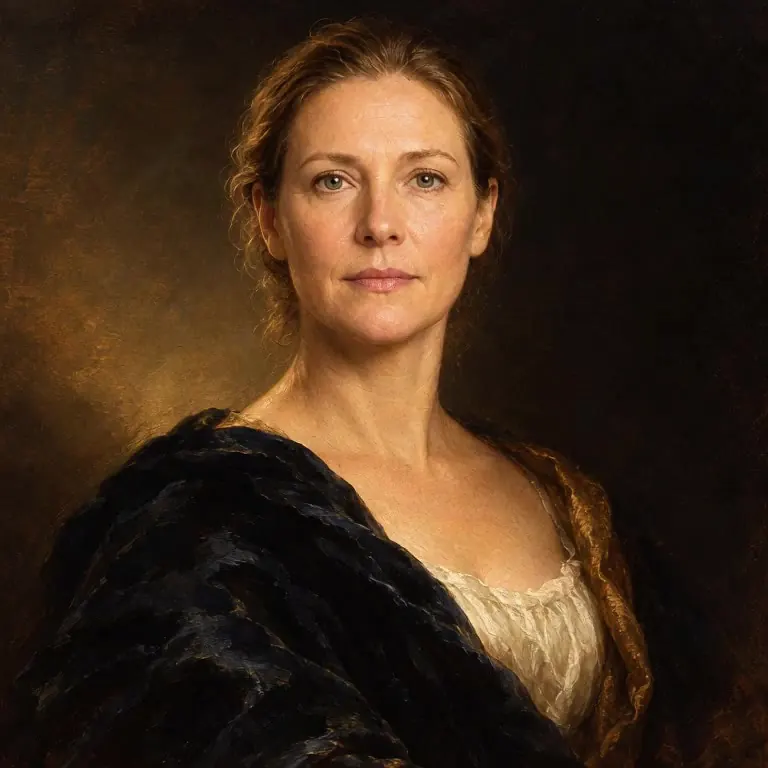
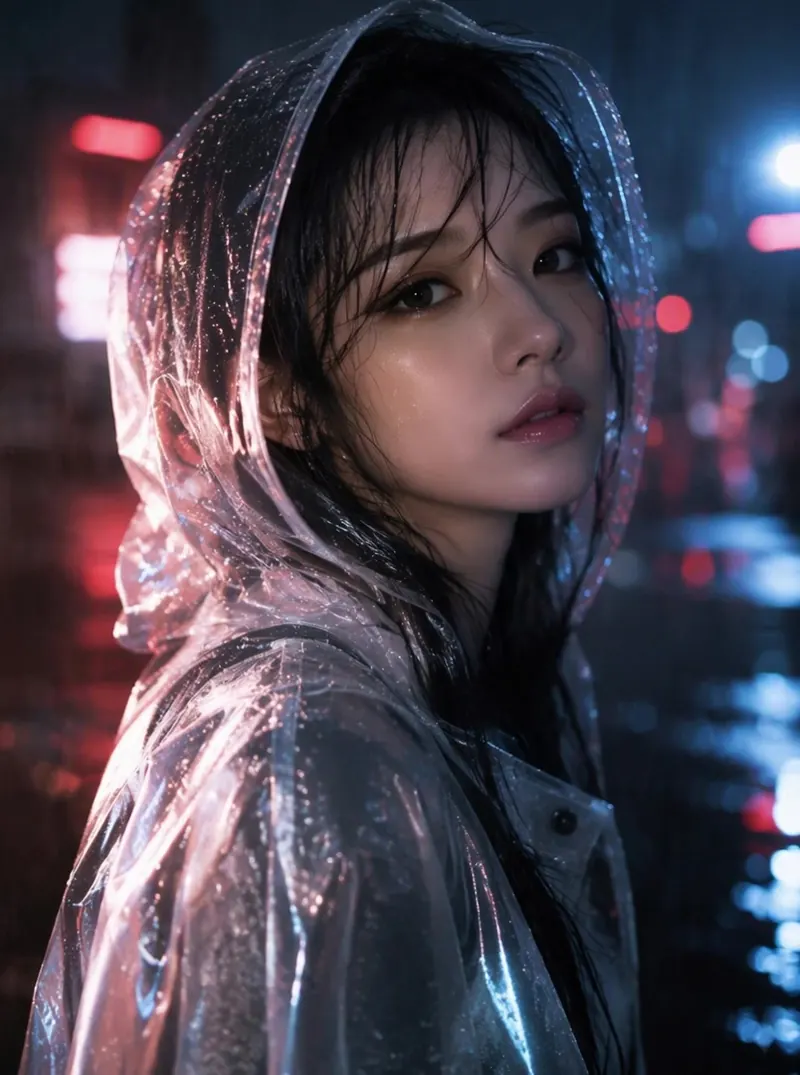
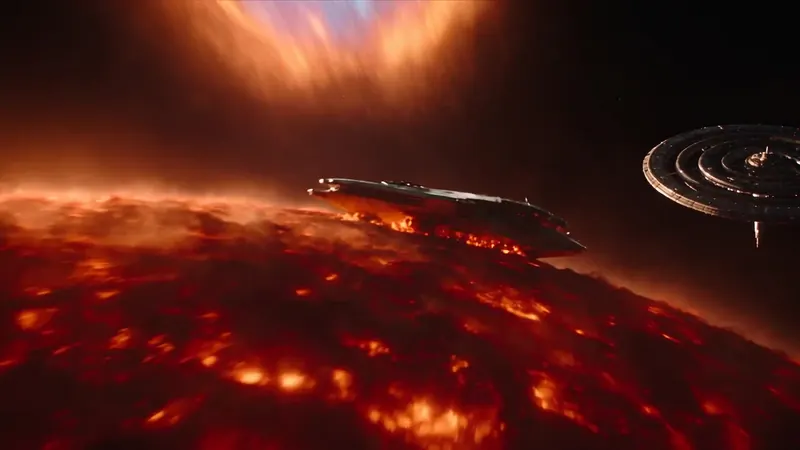
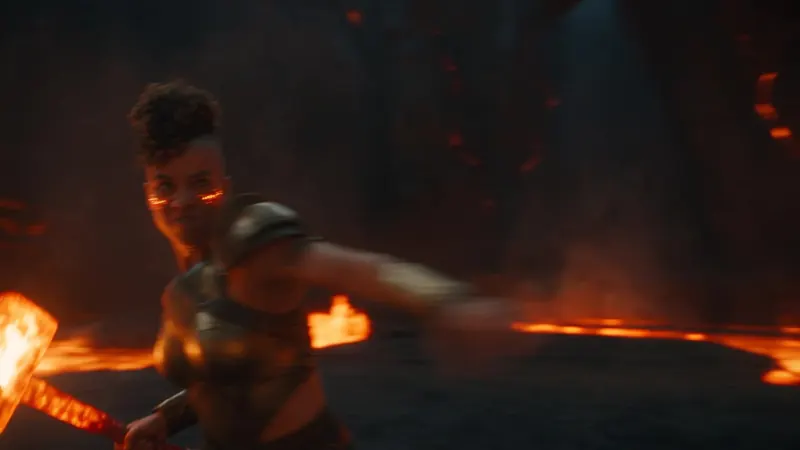
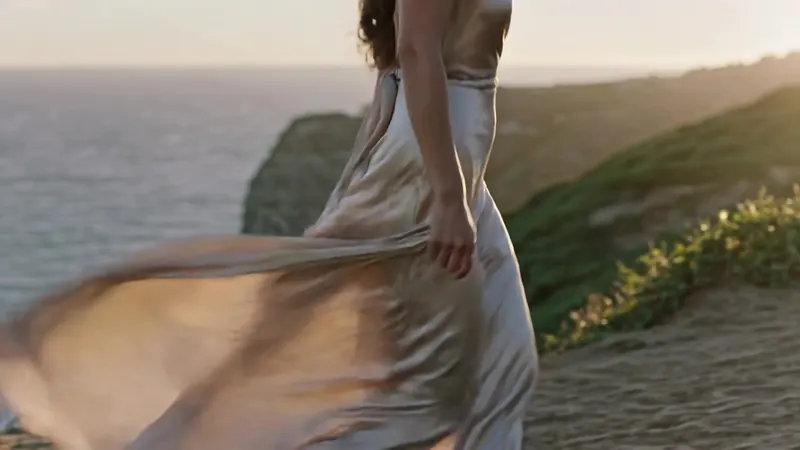
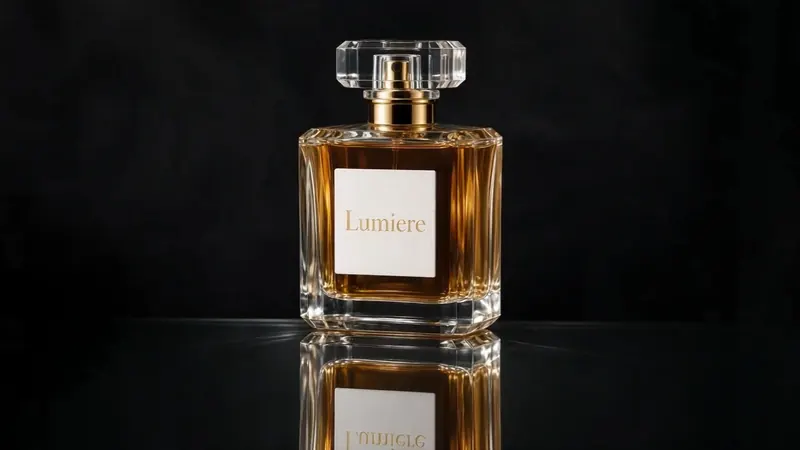
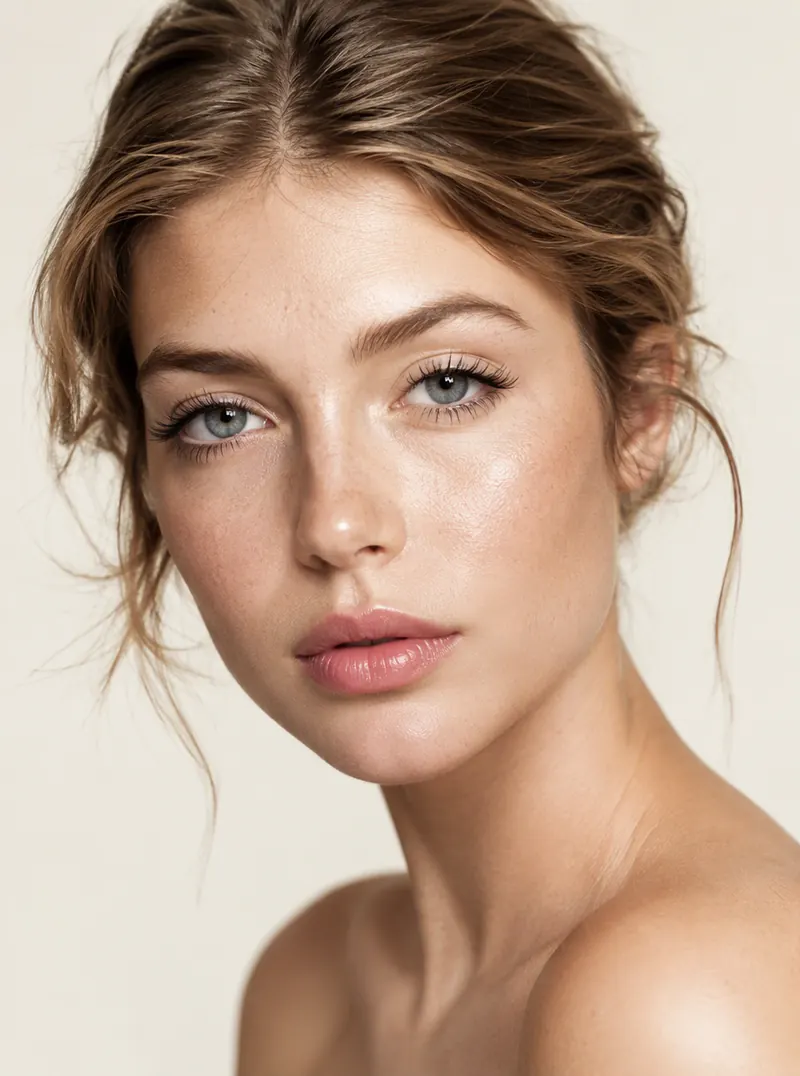
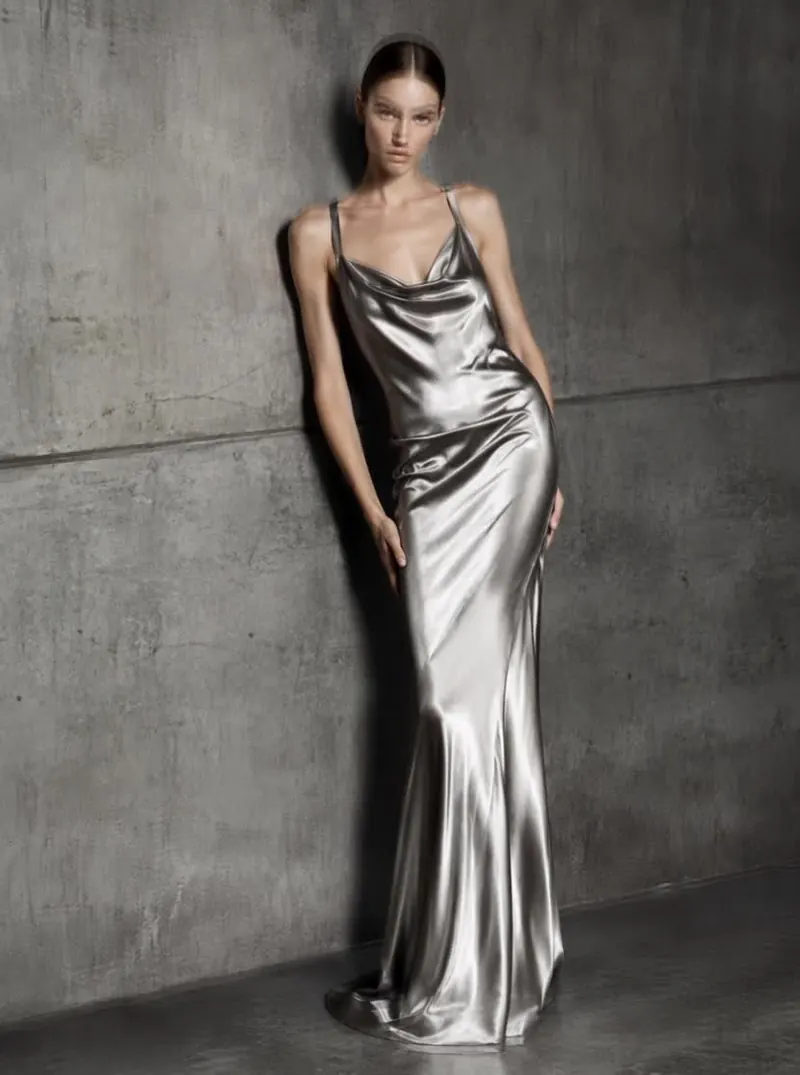
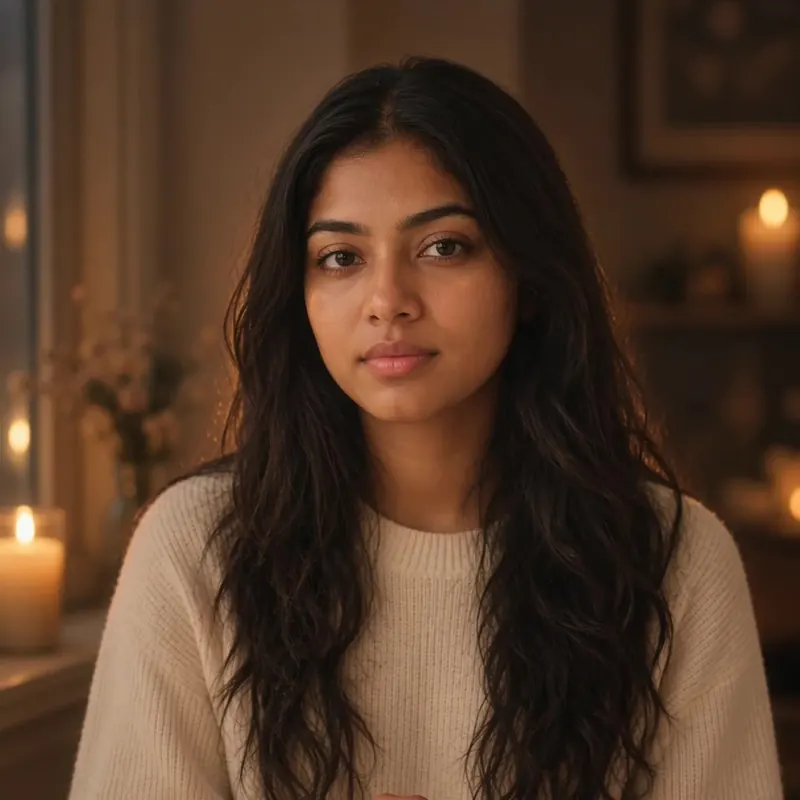
Get inspired by real AI video examples
Browse AI video and AI image outputs made with aiMakeVideo — then reuse the prompt behind any of them.




What AI Video Maker can do
01
Any genre, one studio
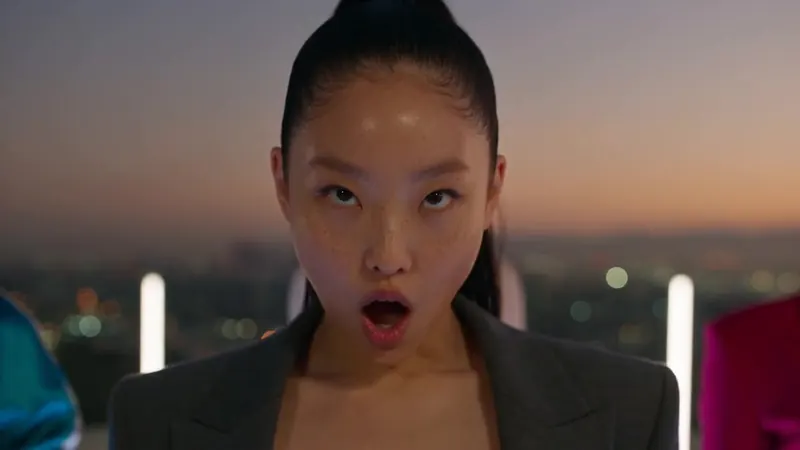
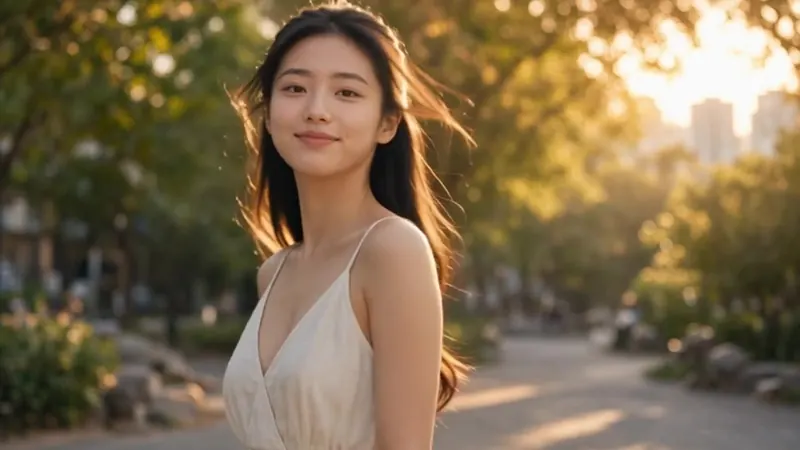
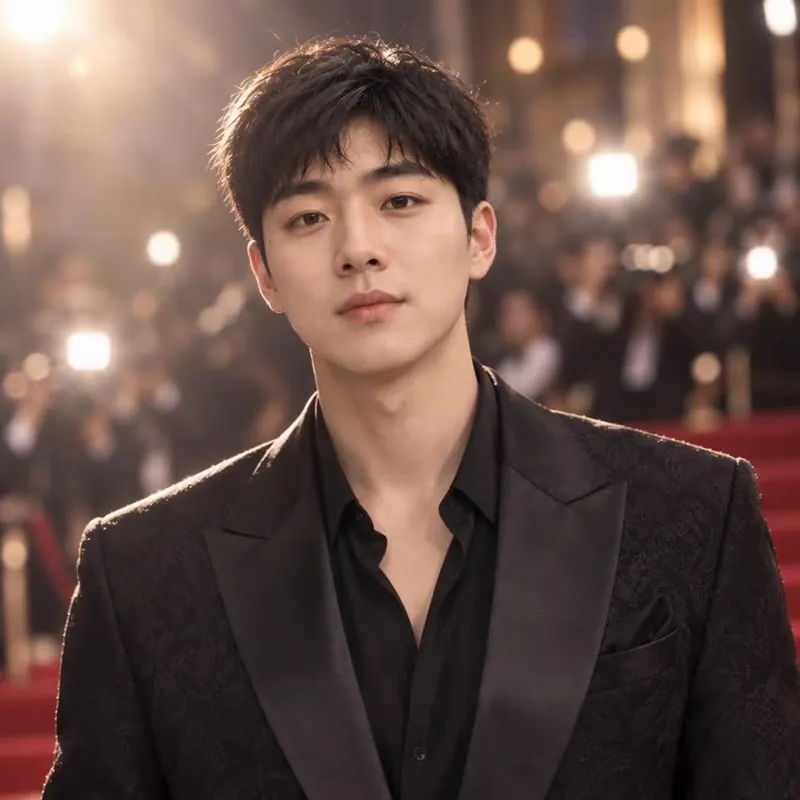
From K-Pop stages to fashion and ads—name the cast, set, and beat in one brief and ship a performance-ready clip without jumping tools.
02
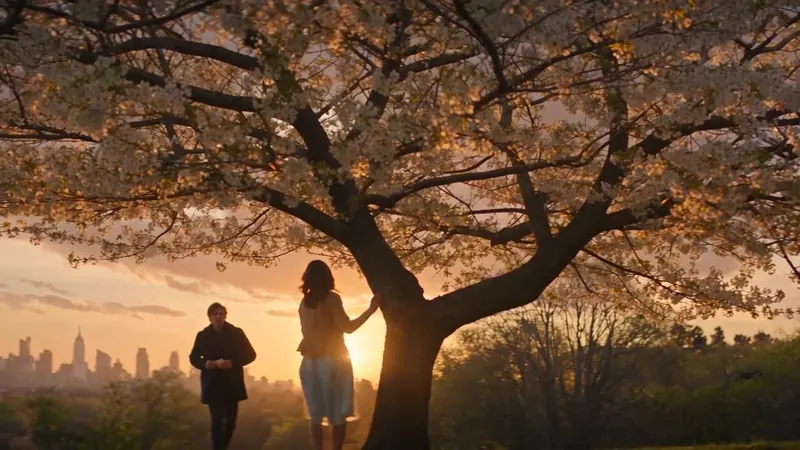
Story shorts with real emotion
Write reunion, promise, or soft dialogue beats and get cinematic pacing, consistent characters, and natural body language—not a random motion loop.
03
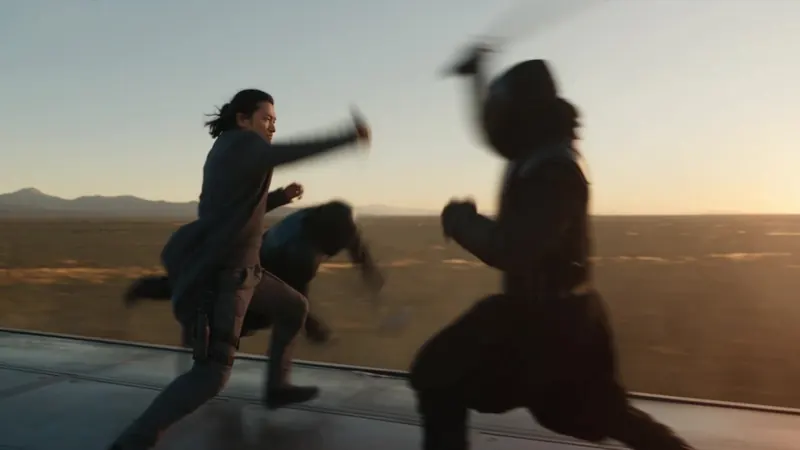
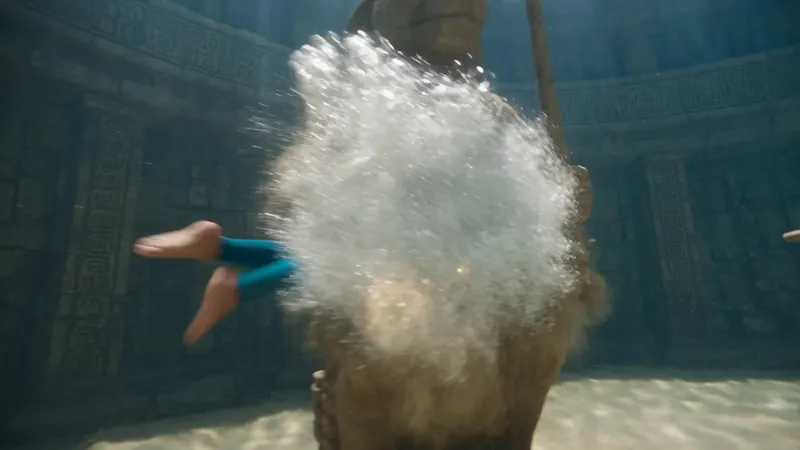
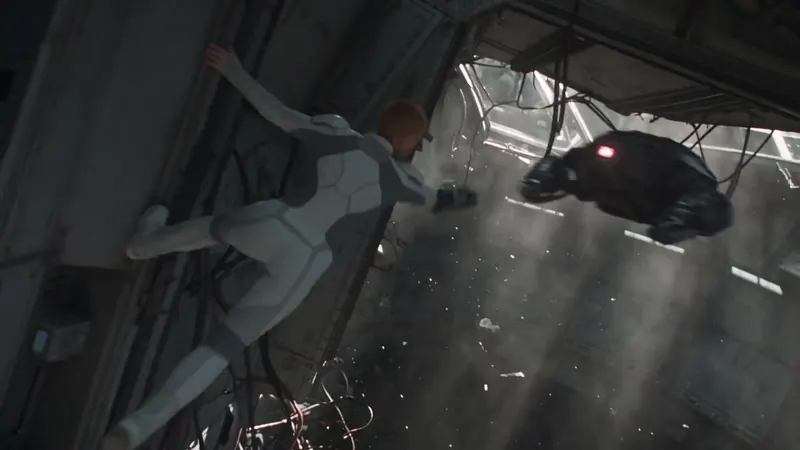
Feature-scale set pieces
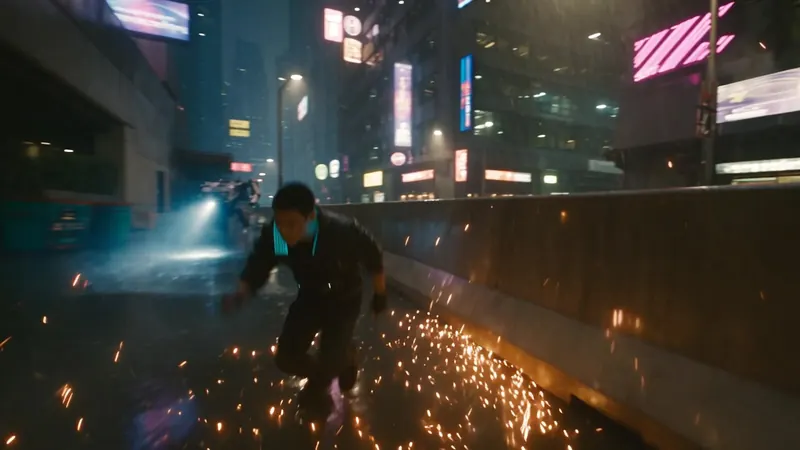
Space rescues, chases, and multi-object action stay spatially clear: keep vehicles, heroes, and landmarks locked while the camera sells the stunt.
04
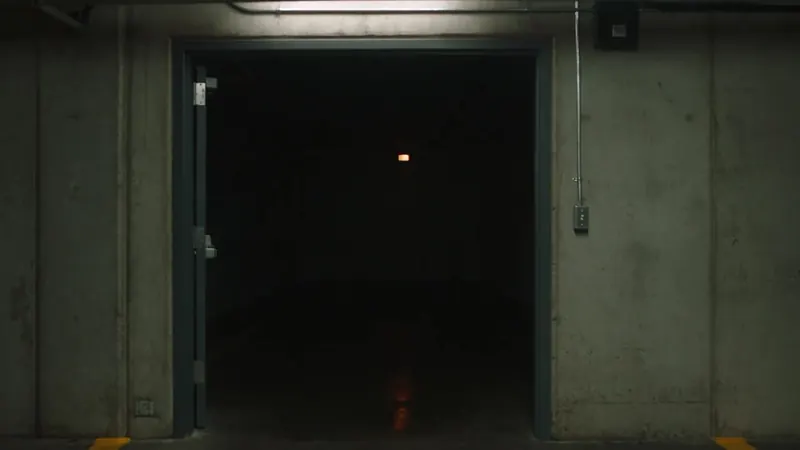
Mood and tension on cue
Build horror, thriller, or quiet dread with lighting, silence, and slow reveals—atmosphere first, jump cuts last.
Key features of AI Video Maker
Next-gen AI video in one studio—multi-model, prompt-driven, and built for creators who need speed without giving up control.
Multi-model video stack
Switch across Kling, Seedance, Veo, MiniMax H3 and more in one place. Match each shot to speed, fidelity, or cinematic motion—without leaving the studio.
Text and image to video
Start from a written brief or animate a still. AI Video Maker covers Text to Video and Image to Video so storyboards and product frames both become clips.
Director-level motion control
Spell out camera moves, timing, lighting, and performance. Duration and aspect ratio sit in the parameters—so prompts stay clean and shots stay intentional.
Fast, credit-clear generation
See credit estimates before you run. Optimized queues keep short clips moving quickly so you can iterate on prompts instead of waiting in the dark.
Privacy-minded by default
Drafts stay on your device as you type. We only keep what accounts, history, billing, and security need—no surprise scrapes of your creative brief.
Built for publish-ready output
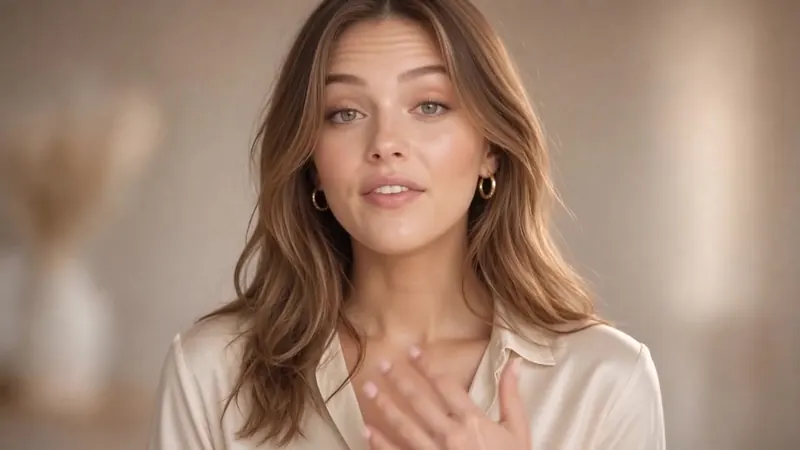
From beauty commercials to action and horror beats, ship clips sized for ads, social, and brand channels—with plan tiers that unlock commercial use.
Pick the plan that matches your pace
Subscribe monthly or yearly. Credits refresh each billing period.
Basic
For occasional ideas and everyday image work.
$19.9/ month
Billed monthlyAdvanced models after upgrading
 MiniMax H3
 Gemini
 Nano Banana
 GPT Image
 Seedream
 Seedance
 Kling
Kling Wan
Wan
- 2,000 credits per month
- Up to 666 fast images per month
- Up to 40 basic videos per month
- Every image and video model
- No watermarks on any output
- Standard render queue
Standard
For a steady practice across image and video.
$39.9/ month
Billed monthlyAdvanced models after upgrading
- MiniMax H3
- Gemini
- Nano Banana
- GPT Image
- Seedream
- Seedance
- Kling
- Wan
- 4,500 credits per month
- Up to 1,500 fast images per month
- Up to 90 basic videos per month
- Every image and video model
- No watermarks on any output
- Priority render queue
- Commercial usage license
Pro
For creators shipping regularly at higher volume.
$89.9/ month
Billed monthlyAdvanced models after upgrading
- MiniMax H3
- Gemini
- Nano Banana
- GPT Image
- Seedream
- Seedance
- Kling
- Wan
- 10,000 credits per month
- Up to 3,333 fast images per month
- Up to 200 basic videos per month
- Every image and video model
- No watermarks on any output
- Priority render queue
- Commercial usage license
Max
For teams shipping in volume.
$169.9/ month
Billed monthlyAdvanced models after upgrading
- MiniMax H3
- Gemini
- Nano Banana
- GPT Image
- Seedream
- Seedance
- Kling
- Wan
- 20,000 credits per month
- Up to 6,666 fast images per month
- Up to 400 basic videos per month
- Every image and video model
- No watermarks on any output
- Highest-priority render queue
- Commercial usage license
- Early access to new models
Credit rates are live; plan allowances are indicative. The allowance lines assume the most economical settings (480p video, 1K images) — actual usage depends on the model, resolution, and duration you pick.
Subscriptions renew until canceled. Credit packs are one-time and expire 180 days after grant. Refunds & Billing · Terms
Frequently asked questions about AI Video Maker
What is aiMakeVideo?
aiMakeVideo is a unified AI Video + Image studio. One workspace covers video tools (Text to Video / Image to Video) and image tools (Text to Image / Image to Image)—so you can draft prompts, pick models, and generate clips or stills without hopping between disconnected tools.
Can I create both AI video and AI images in the same studio?
Yes. Switch between video and image modes in Create, or open dedicated tool pages for Text to Video, Image to Video, Text to Image, and Image to Image. Your brief stays in the same Create workspace as you move between ideas.
Which AI models does aiMakeVideo support?
The studio is multi-model. Video work can use Kling, Seedance, Veo, and related options; image work includes Nano Banana, GPT Image, and other image models in the catalogue. Pick the model that fits speed, quality, or style for each job.
What is the difference between Text to Video and Image to Video?
Text to Video starts from a written brief—subject, motion, lighting, and mood. Image to Video starts from a still you upload or generate, then animates camera move and motion while keeping the look of that frame. Both are video tools in the same studio.
What is the difference between Text to Image and Image to Image?
Text to Image turns a prompt into a new still. Image to Image uses a reference photo plus instructions to restyle, refine, or recompose it. Both are part of the AI Image Maker side of the studio and share the Create workspace.
Can I use my generations commercially, and how do credits work?
Plans and credit packs fund generation. Each video or image job estimates credits before you run it; higher resolution, longer duration, or premium models cost more. Standard, Pro, and Max tiers include commercial-use rights for your outputs; Basic is for personal, non-commercial use. Check Pricing before publishing client work.
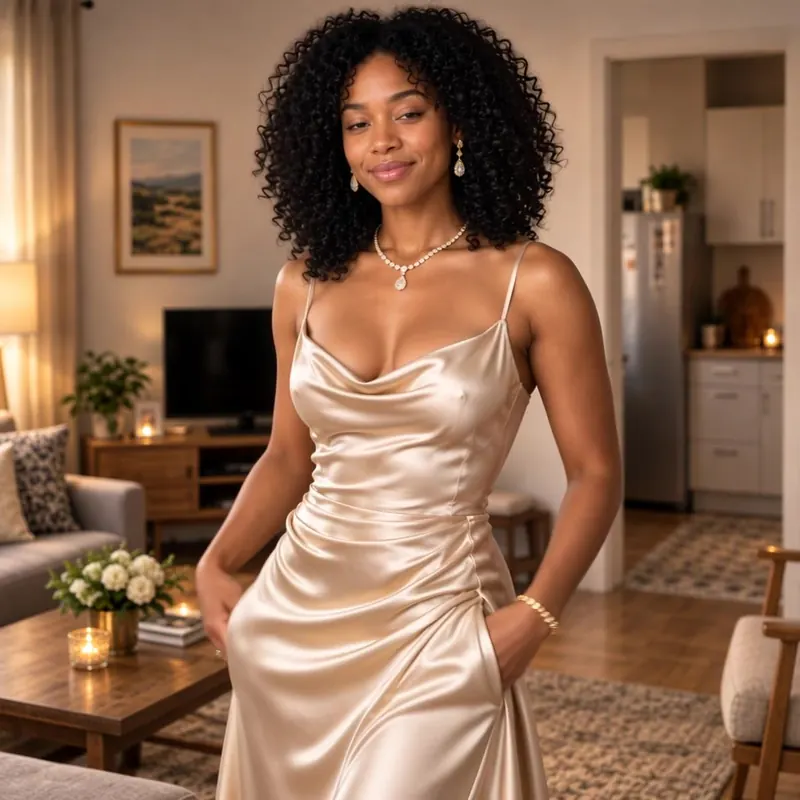
How does Recreate and the beauty showcase work?
Showcase cards feature AI images and ready-made prompts. Tap Recreate to drop that brief into Create (or straight into the composer when you're on a tool page). Edit the wording, swap models, set aspect ratio, then generate your own variation.
Where are my uploads and drafts stored?
Drafts and temporary previews stay in this browser on your device until you generate. Uploaded references are used for that job; signed-in history keeps completed generations on your account. Clear browser data to remove local drafts, and avoid shared devices for private prompts.
How do I start my first AI video or image?
Open Create, or go to Text to Video / Image to Video (or Text to Image / Image to Image). Write a clear prompt (or reuse a showcase prompt), pick a model and aspect ratio, then generate with credits from your plan or pack.
Why choose aiMakeVideo instead of separate single-purpose tools?
You get one brand studio for video and image, multi-model choice (Kling / Seedance / Veo / Nano Banana / GPT Image), tool pages for every major workflow, a beauty showcase with Recreate, and a shared Create workspace—so ideation and production stay connected.
How should I write prompts for AI video?
Name the subject, action, camera move, lighting, and mood in one clear brief. For Image to Video, describe how the still should move. Reuse a showcase card with Recreate when you want a strong starting point.
What aspect ratios and durations can I set?
Pick framing (such as 16:9, 9:16, or 1:1) and clip length from the options each model supports. Shorter clips and lower resolutions usually cost fewer credits; longer or higher-res runs cost more.